Who this review is for
This page is for a workday at home. A laptop, a monitor, and a router are the usual load. A UPS time appears only when the brand lists one, so a call is less likely to drop. This is not a list for running a refrigerator overnight.
EcoFlow RIVER 3 Plus

Set up for a laptop, a monitor, and a router for a workday.
Who it's for
- A laptop, a monitor, and a router.
- A workday, then back on the charger.
Who it's not for
- A refrigerator overnight.
- A whole house.
Pros
- The battery can take an add-on pack.
- UPS switchover is about 10 ms.
- It can charge from a solar panel, up to 220 W.
- A laptop can charge from the USB-C port, up to 100 W.
Cons
- Continuous output is under 1,500 W.
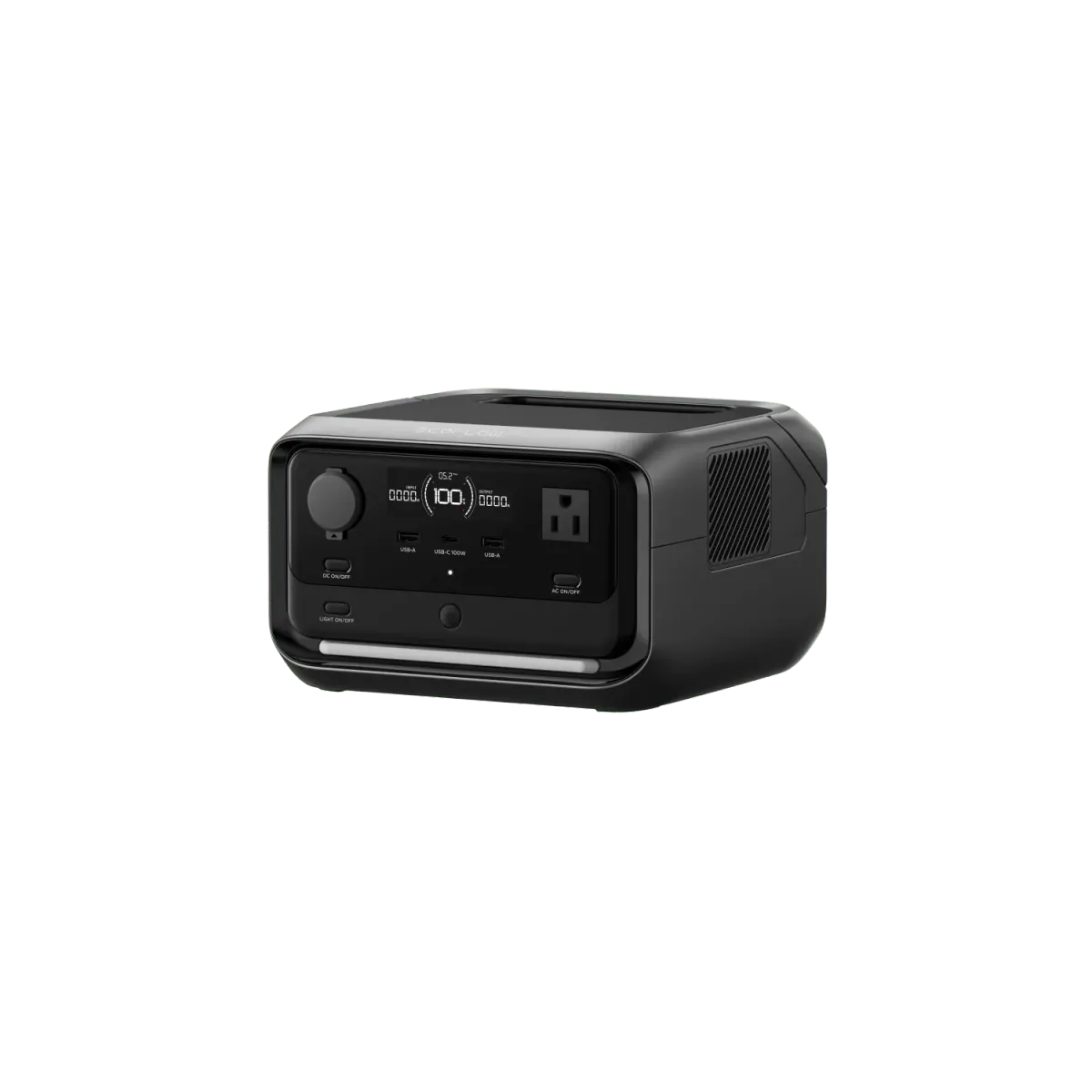
Key specs
| Capacity | 286 Wh |
|---|---|
| Output | 600 W |
| Weight | 10.4 lb · 4.72 kg |
| Ports | AC outlets x 3, USB-C x 1 up to 100W, USB-A x 2 |
| Wall charge | About 1 hours |
| Dimensions | 9.2×9.1×5.8 in |
| Solar voltage | 11–55V (car/solar shared input band per PDP car input) |
| Noise | 30 dB · EcoFlow |
| Battery test | No published battery test. |
ALLPOWERS VOLIX P300

The lowest price that still covers a laptop and a router for a workday.
Who it's for
- A laptop and a router.
- A lower price, if those devices are enough.
Who it's not for
- A refrigerator overnight.
- A longer outage, or more devices at once.
Pros
- UPS switchover is about 20 ms.
- It can charge from a solar panel, up to 110 W.
- A laptop can charge from the USB-C port, up to 100 W.
- The easiest of these picks to carry.
- The lowest list price of these picks.
Cons
- Continuous output is under 1,500 W.
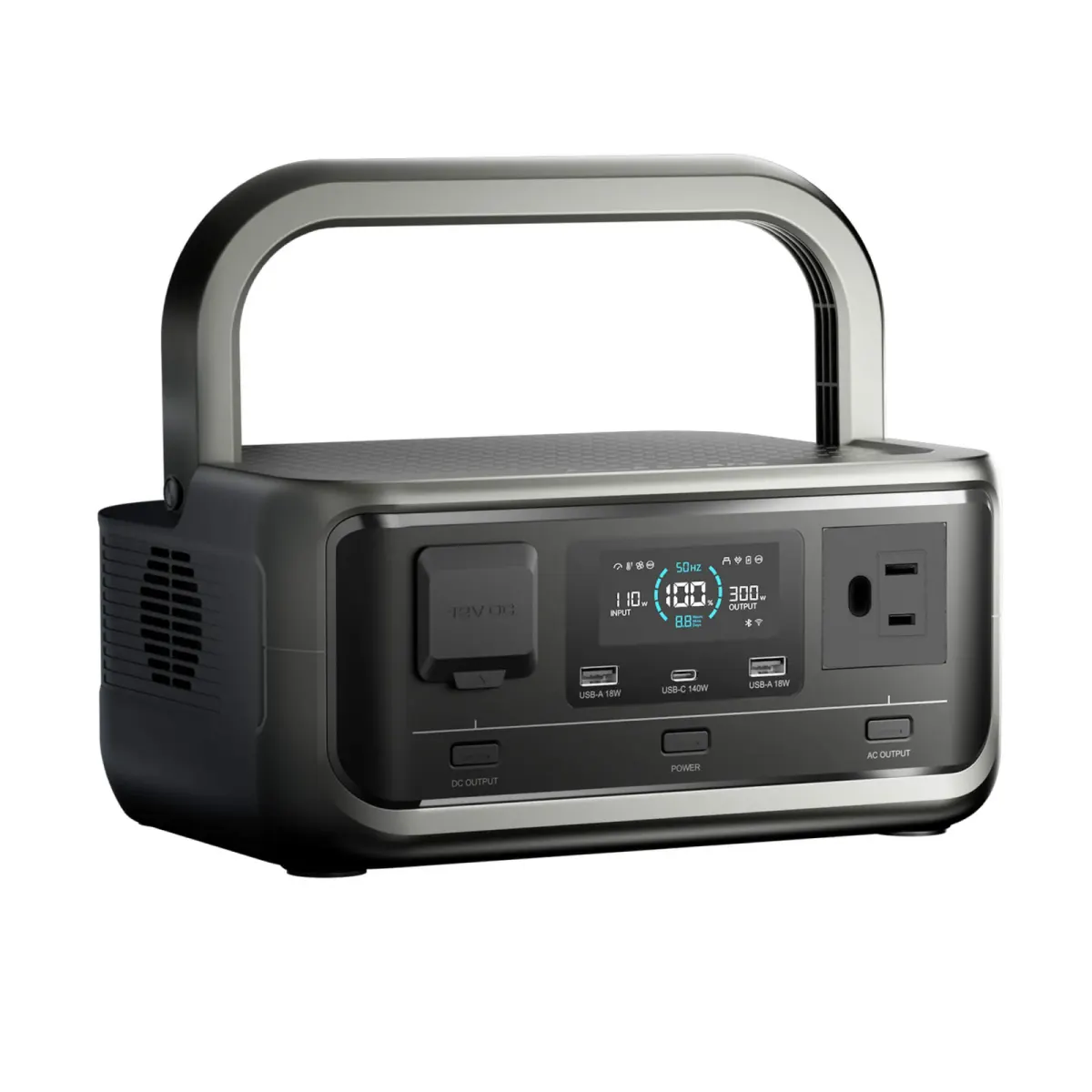
Key specs
| Capacity | 256 Wh |
|---|---|
| Output | 300 W |
| Weight | 7.87 lb · 3.57 kg |
| Ports | AC outlets x 1, USB-C x 1 up to 100W, USB-A x 2, 12V car outlet |
| Wall charge | About 1 hours |
| Dimensions | 10.2 x 8.2 x 4.9 in |
| Solar voltage | 11–30V XT60 (GearRanking; confirm) |
| Battery test | No published battery test. |
Jackery Explorer 1000 v2

Enough stored energy for a laptop, a monitor, and a router for a workday.
Who it's for
- A laptop, a monitor, and a router.
- More than one device at the same time.
Who it's not for
- A refrigerator overnight.
- A whole-house backup.
Pros
- UPS switchover is about 20 ms.
- It can charge from a solar panel, up to 400 W.
- Quieter than the other picks here.
Cons
- 23.8 lb. It takes two hands.
- You can't add another battery later.
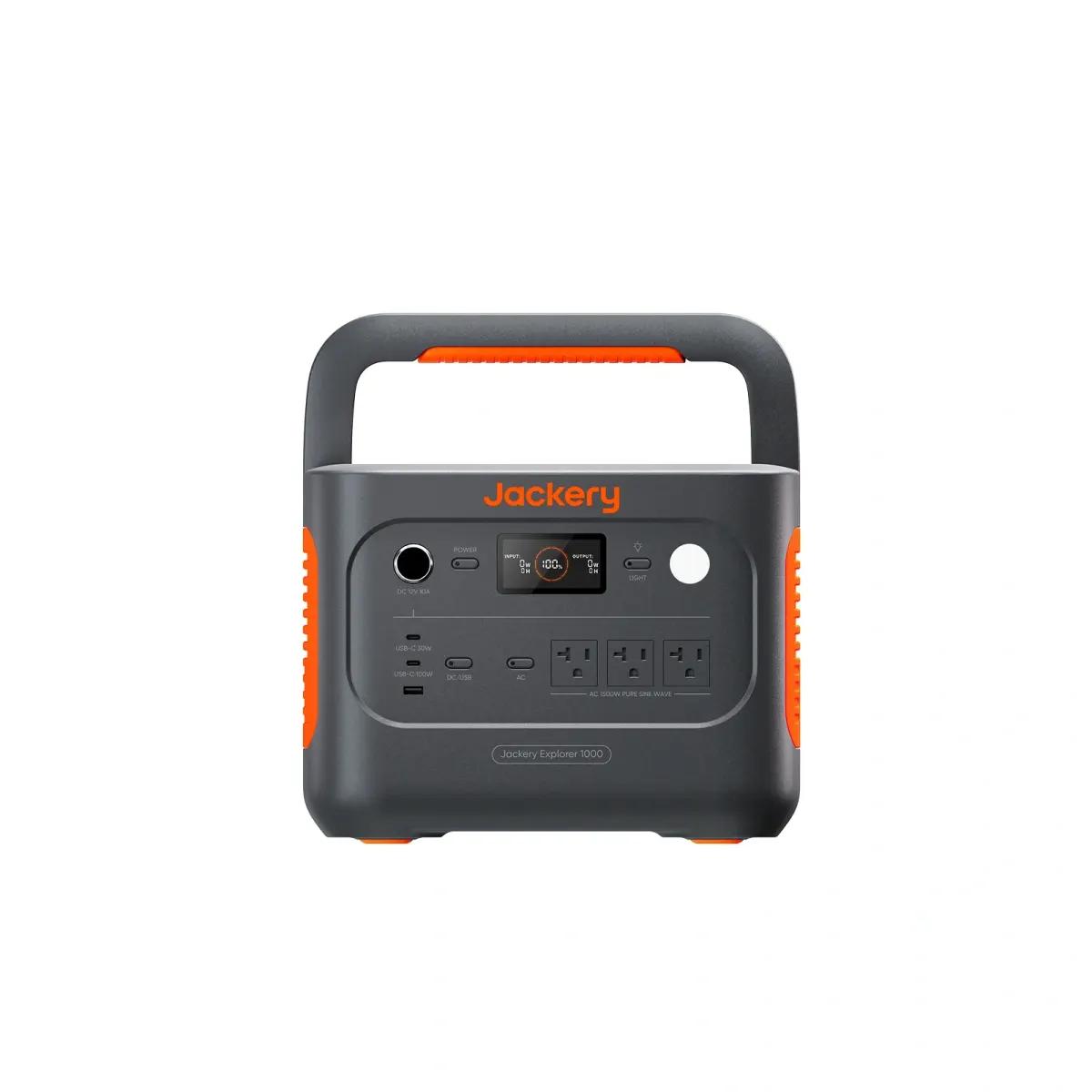
Key specs
| Capacity | 1,070 Wh |
|---|---|
| Output | 1,500 W |
| Weight | 23.8 lb · 10.8 kg |
| Ports | AC outlets x 3, USB-C x 2, USB-A x 1, 12V car outlet |
| Dimensions | 32.7 × 22.4 × 24.7 cm (≈12.87 × 8.82 × 9.72 in) |
| Solar voltage | 16–60V (dual DC8020; 200W/port, 400W dual) |
| Noise | 22 dB · Jackery |
| Battery test | 910 Wh via OutdoorGearLab |
Jackery Explorer 300 v2
Light enough to pick up with one hand, for a laptop and a router for a workday.
Who it's for
- A pack you can carry in one hand.
- A laptop and a router.
Who it's not for
- A refrigerator overnight.
- A long outing with several devices.
Pros
- UPS switchover is about 10 ms.
- It can charge from a solar panel, up to 100 W.
Cons
- Continuous output is under 1,500 W.
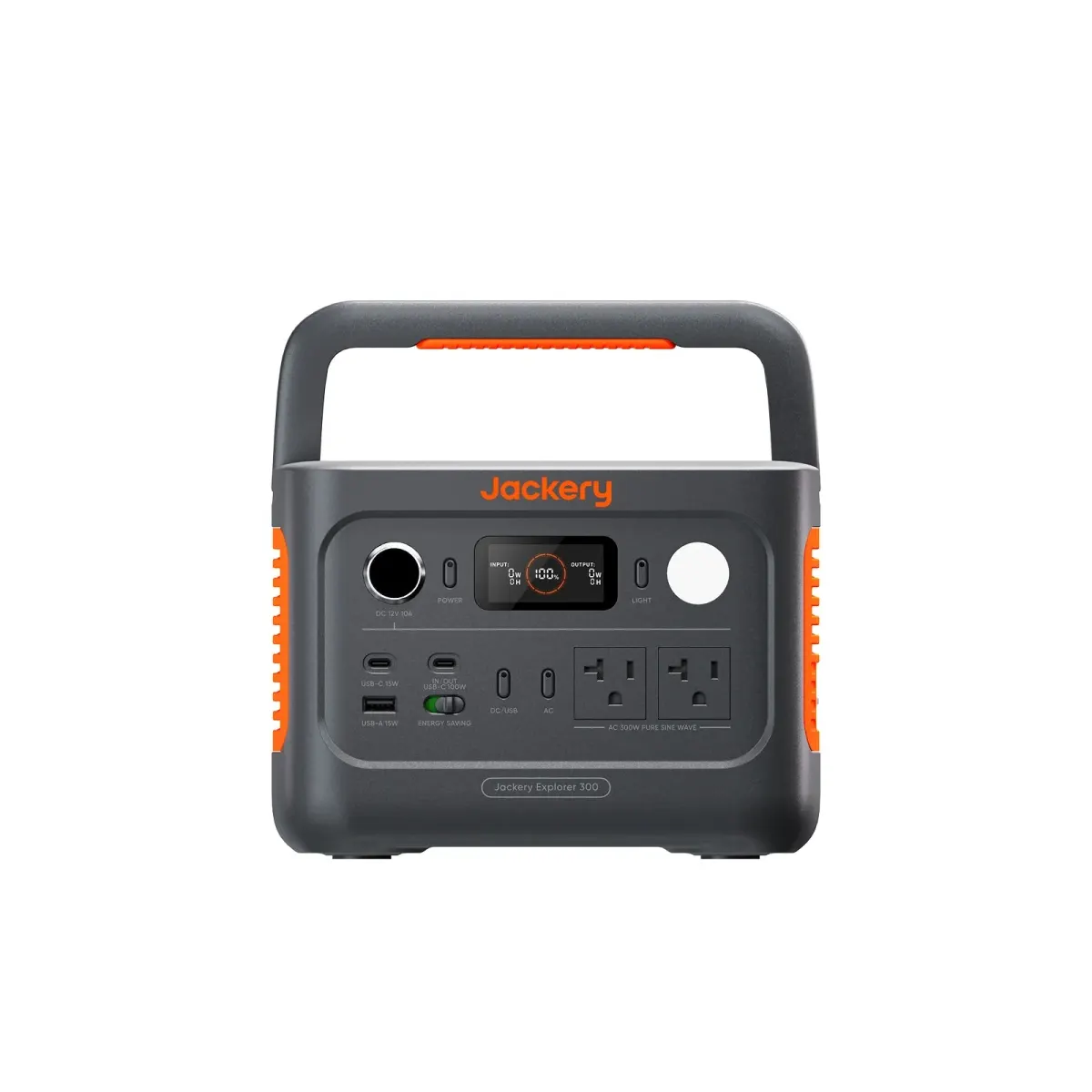
Key specs
| Capacity | 288 Wh |
|---|---|
| Output | 300 W |
| Weight | 8.16 lb · 3.7 kg |
| Ports | AC outlets x 2 |
| Dimensions | 23.1 × 15.3 × 16.77 cm (≈9.09 × 6.02 × 6.60 in) |
| Solar voltage | 16–28V DC (6A / 100W max solar) |
| Noise | 30 dB · Jackery |
| Battery test | No published battery test. |
Compare the specs
Our best picks come first. The Also worth a look models follow.
| Model | Role | List price | Capacity | Battery test | Output | Weight |
|---|---|---|---|---|---|---|
| EcoFlow RIVER 3 Plus | Best overall | $299.00 | 286 Wh | No published battery test. | 600 W | 10.4 lb · 4.72 kg |
| ALLPOWERS VOLIX P300 | Best budget | $139.00 | 256 Wh | No published battery test. | 300 W | 7.87 lb · 3.57 kg |
| Jackery Explorer 1000 v2 | Best for backup | $559.00 | 1,070 Wh | 910 Wh | 1,500 W | 23.8 lb · 10.8 kg |
| Jackery Explorer 300 v2 | Lightest | $279.00 | 288 Wh | No published battery test. | 300 W | 8.16 lb · 3.7 kg |
| BLUETTI Elite 100 V2 | Also worth a look | $489.00 | 1,024 Wh | 890 Wh | 1,800 W | 25.35 lb · 11.5 kg |
| Anker SOLIX C300 | Also worth a look | $429.99 | 288 Wh | 230 Wh | 300 W | 9.1 lb · 4.13 kg |
| BLUETTI Elite 30 V2 | Also worth a look | $289.99 | 288 Wh | No published battery test. | 600 W | 9.48 lb · 4.3 kg |
| Jackery Explorer 300 | Also worth a look | $289.00 | 293 Wh | 260 Wh | 300 W | 7.1 lb · 3.22 kg |
| EcoFlow RIVER 3 | Also worth a look | $319.00 · Sold out | 245 Wh | 211 Wh | 300 W | 7.8 lb · 3.54 kg |
| BLUETTI Elite 10 | Also worth a look | $119.00 | 128 Wh | No published battery test. | 200 W | 3.97 lb · 1.8 kg |
Pick by size
Start with the size. The link is the pick in that range.
| Size | Capacity | Pick |
|---|---|---|
| Small | Under 500 Wh | EcoFlow RIVER 3 Plus · Best overall |
| Mid | 500–999 Wh | No pick in this range. |
| Large | 1,000–1,999 Wh | Jackery Explorer 1000 v2 · Best for backup |
| XL | 2,000 Wh and up | No pick in this range. |
Runtime estimates
About how long these picks run common devices. Estimate, not a measurement: rated watt-hours × 85% ÷ the device's watts. Temperature, startup, and conversion loss change the real time.
| Device | EcoFlow RIVER 3 Plus | ALLPOWERS VOLIX P300 | Jackery Explorer 1000 v2 | Jackery Explorer 300 v2 |
|---|---|---|---|---|
| Small fan (10 W) | About 24.3 hours | About 21.8 hours | About 91 hours | About 24.5 hours |
| Phone fast charge (15 W) | About 16.2 hours | About 14.5 hours | About 60.6 hours | About 16.3 hours |
| CPAP (40 W) | About 6.1 hours | About 5.4 hours | About 22.7 hours | About 6.1 hours |
| Car fridge (60 W) | About 4.1 hours | About 3.6 hours | About 15.2 hours | About 4.1 hours |
| Laptop (65 W) | About 3.7 hours | About 3.3 hours | About 14 hours | About 3.8 hours |
| Electric kettle (1,000 W) | Can't run this. | Can't run this. | About 0.9 hours | Can't run this. |
Also worth a look
Other models close to these picks.
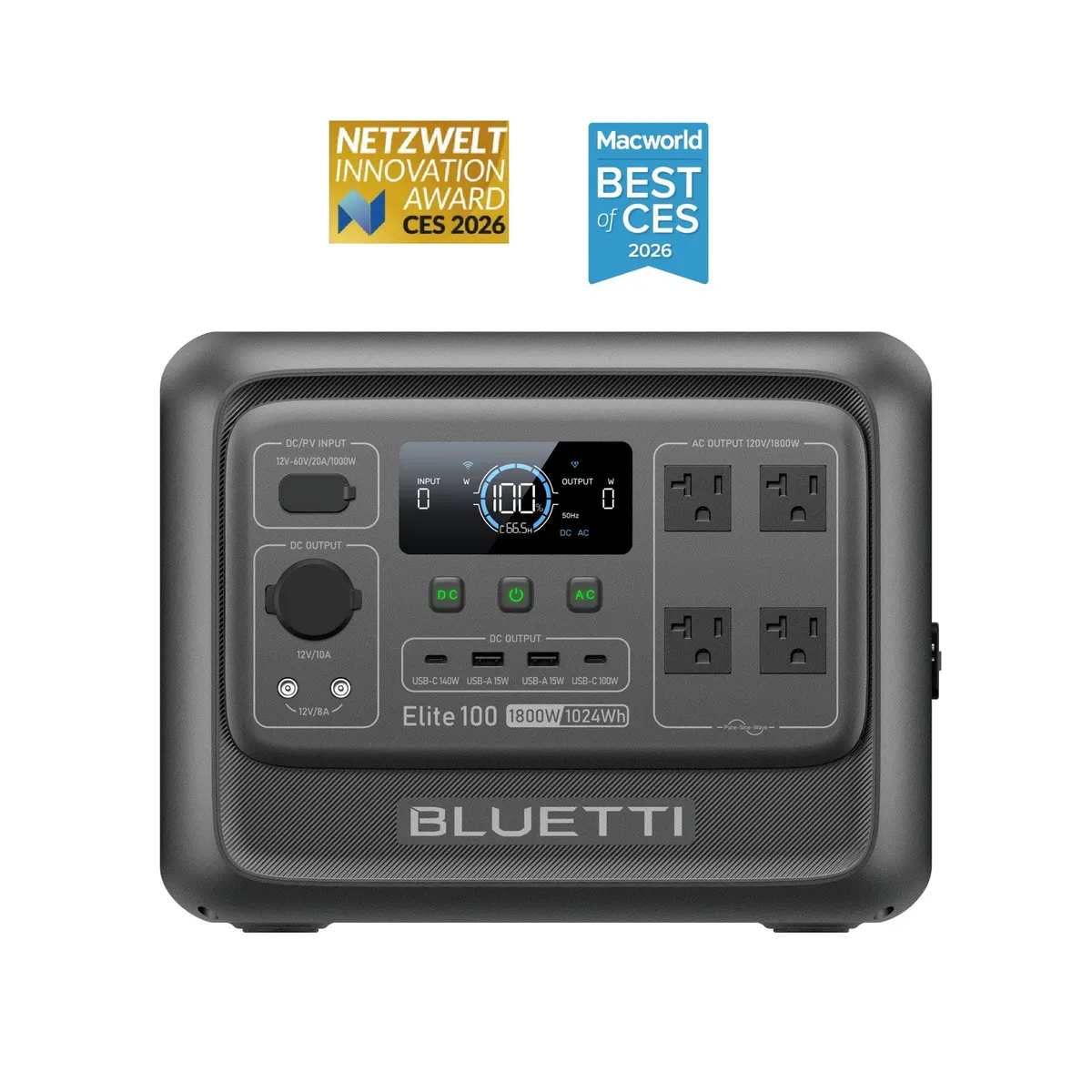
BLUETTI Elite 100 V2
$489.00 · 1,024 Wh · 1,800 WLess rated capacity than Jackery Explorer 1000 v2, at a lower list price.
See all the specs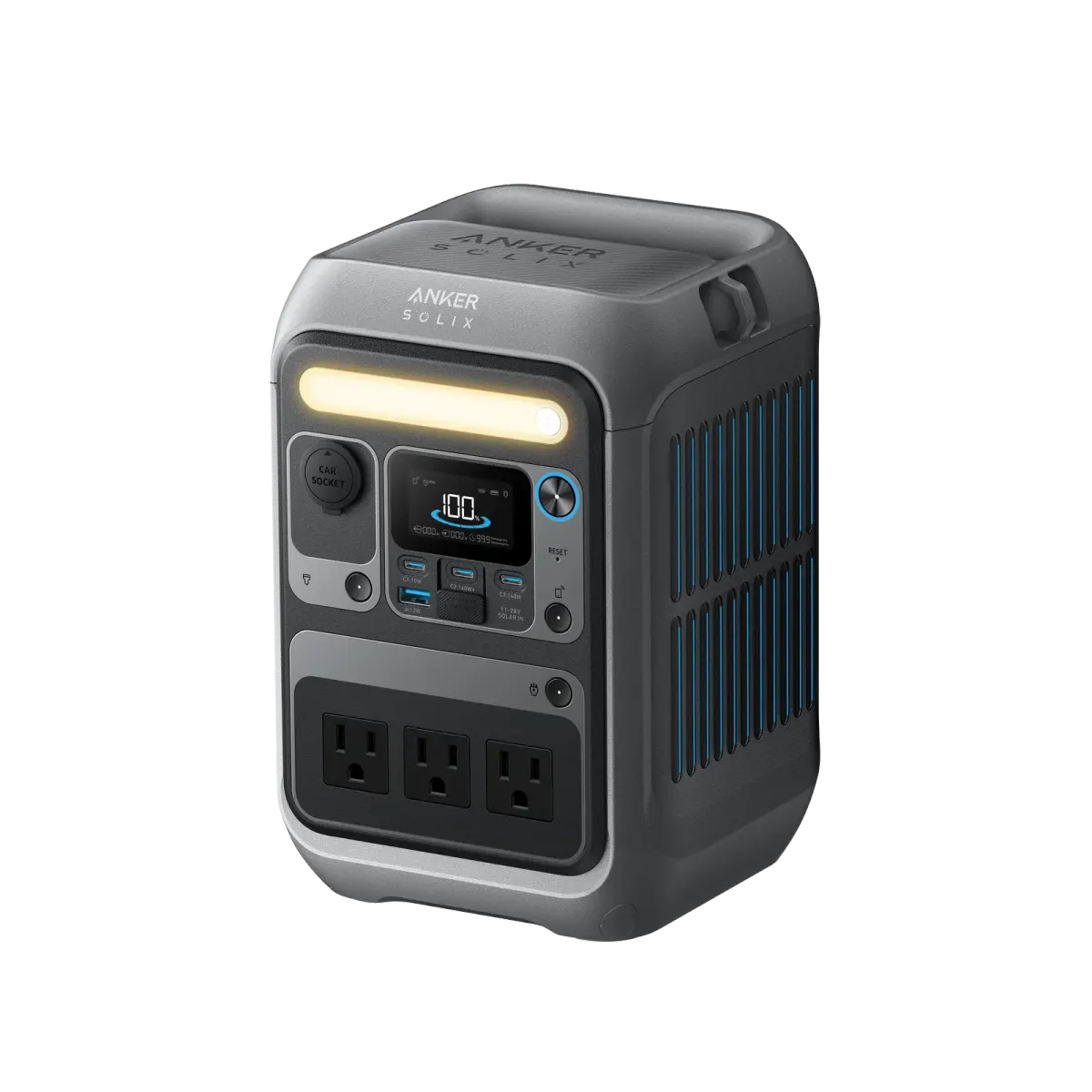
Anker SOLIX C300
$429.99 · 288 Wh · 300 WThe same rated capacity as Jackery Explorer 300 v2, at a higher list price.
See all the specs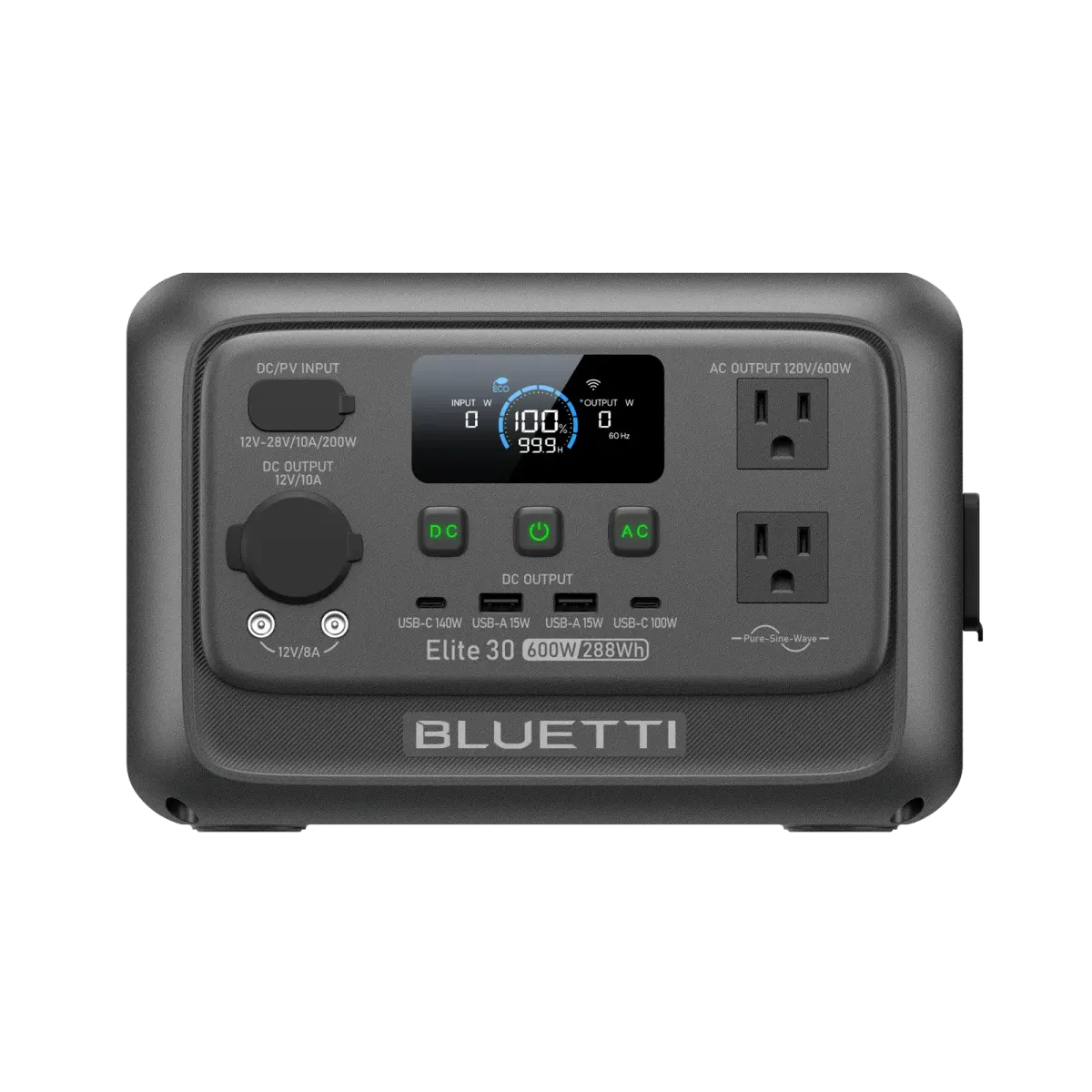
BLUETTI Elite 30 V2
$289.99 · 288 Wh · 600 WThe same rated capacity as Jackery Explorer 300 v2, at a higher list price.
See all the specs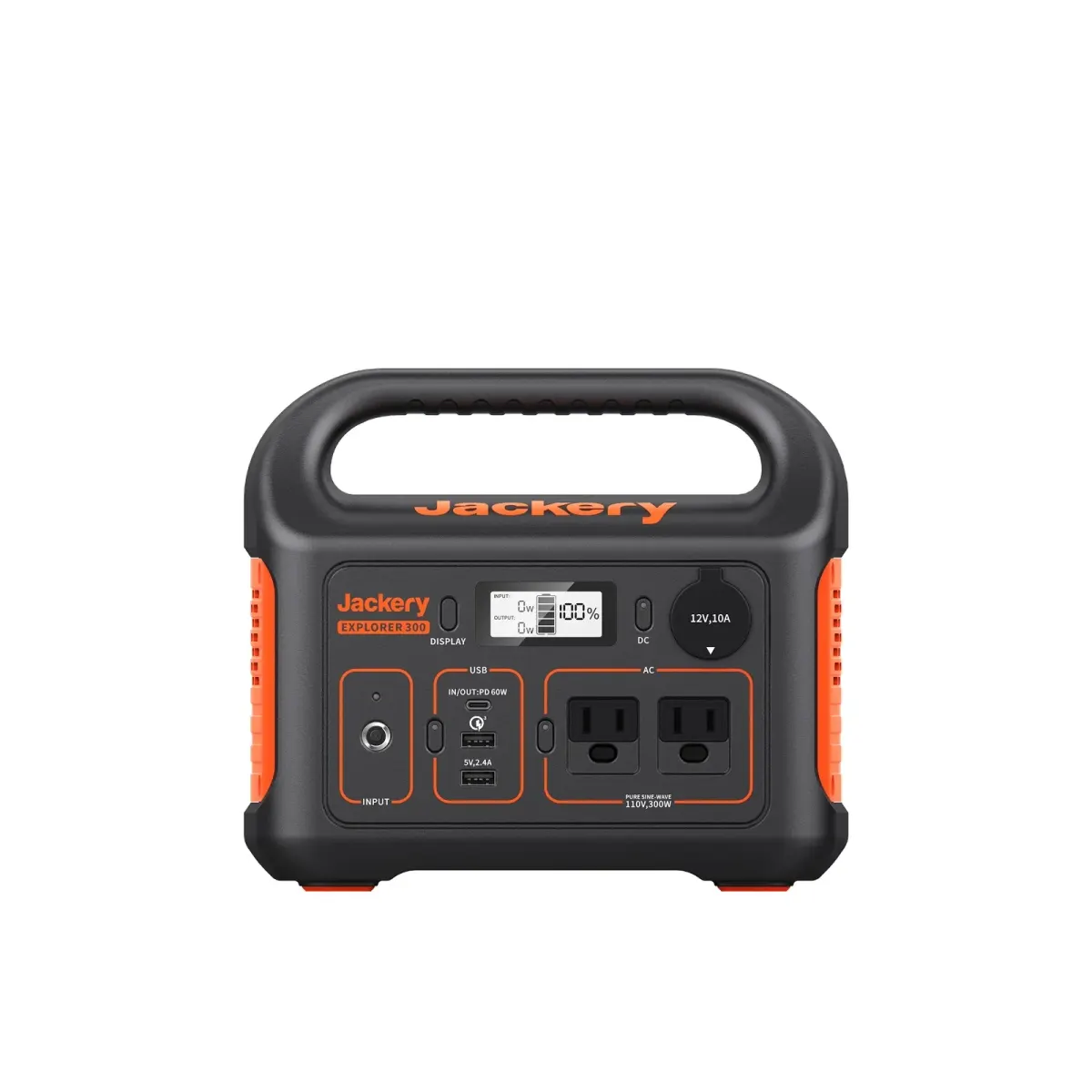
Jackery Explorer 300
$289.00 · 293 Wh · 300 WMore rated capacity than Jackery Explorer 300 v2, at a higher list price.
See all the specs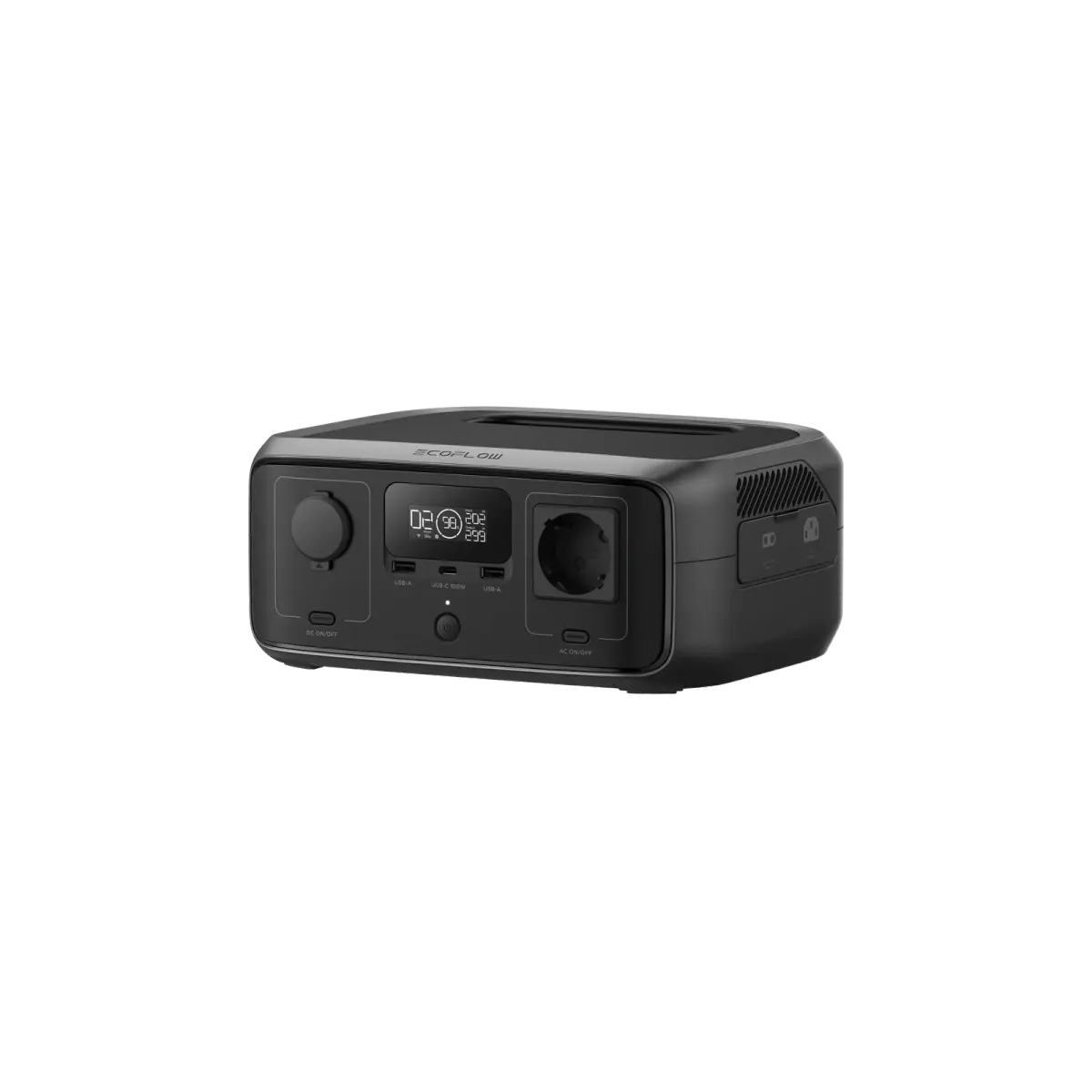
EcoFlow RIVER 3
$319.00 · Sold out · 245 Wh · 300 WLess rated capacity than ALLPOWERS VOLIX P300, at a higher list price.
See all the specs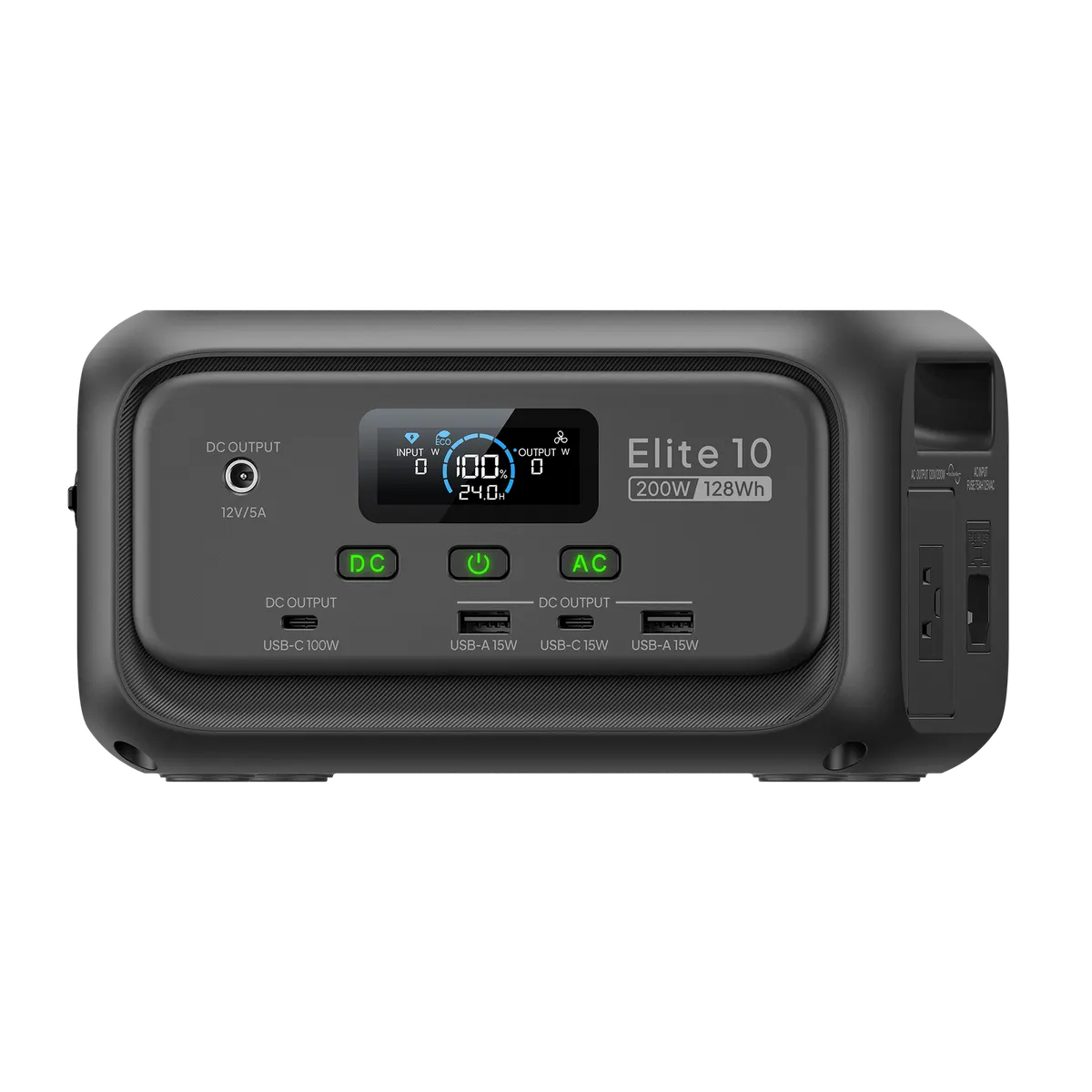
BLUETTI Elite 10
$119.00 · 128 Wh · 200 WLess rated capacity than ALLPOWERS VOLIX P300, at a lower list price.
See all the specsPosts that include this review
How we picked
Every model is compared on the same six checks. The numbers are the brand's specs and the list price on the day we checked. A battery test appears only when another site has published one. The full rules are on How we review.
Questions
Why do some models have no price?
We only show a price after we've checked it on the brand's site and noted the date. No price means we haven't confirmed one. It doesn't mean the station is free.
Did you test the watt-hours?
No. The watt-hour number in the specs is the brand's rating. When another site has published a usable watt-hour test and a link, that row is separate. Two labs can list different numbers.
Is there a score?
Each model page shows a spec index from 7.0 to 10. It weights capacity, continuous output, weight, and the US list price per watt-hour. The formula is on How we review.
Do these buttons earn a commission?
Some View on Amazon and View official site buttons may be affiliate links. If you buy through one, we may earn a commission. Your price stays the same.
What does Not listed mean?
That detail wasn't published, so it isn't filled in.
Disclosure
Some links may be affiliate links. If you buy through one, we may earn a commission. Your price stays the same.
The score rules are on How we review. Independence rules are on the Editorial policy.